Beyond the Exhibition: Two Decades of Publishing Indian Art
From Gallery Walls to Library Shelves: How Aakriti Art Gallery Built an Archive of Modern and Contemporary Indian Art Through Publishing, Research, and Documentation
By Vikram Bachhawat 
Art exhibitions are inherently temporary. Paintings return to collections, sculptures move into private homes, and gallery walls are repainted for the next show. What remains are the documents that record those moments—catalogues, books, monographs, essays, journals, photographs, and archival publications that preserve the intellectual and visual history of an exhibition long after it has ended.
In India, where institutional documentation has often lagged behind artistic production, the role of independent publishing has assumed particular importance. Many significant exhibitions from the late twentieth and early twenty-first centuries survive today only through their catalogues and related publications. Without such records, important chapters of Indian art history would risk fading into obscurity.
Over the past two decades, Aakriti Art Gallery and Chisel Crafts Pvt. Ltd. have developed one of the most sustained independent publishing programmes undertaken by an Indian gallery. Since its establishment in 2005, the gallery has produced well over a hundred exhibition catalogues, artist monographs, research publications, magazines, collection catalogues, event publications, and archival volumes devoted to modern and contemporary Indian art.
Creating an Archive of Indian Art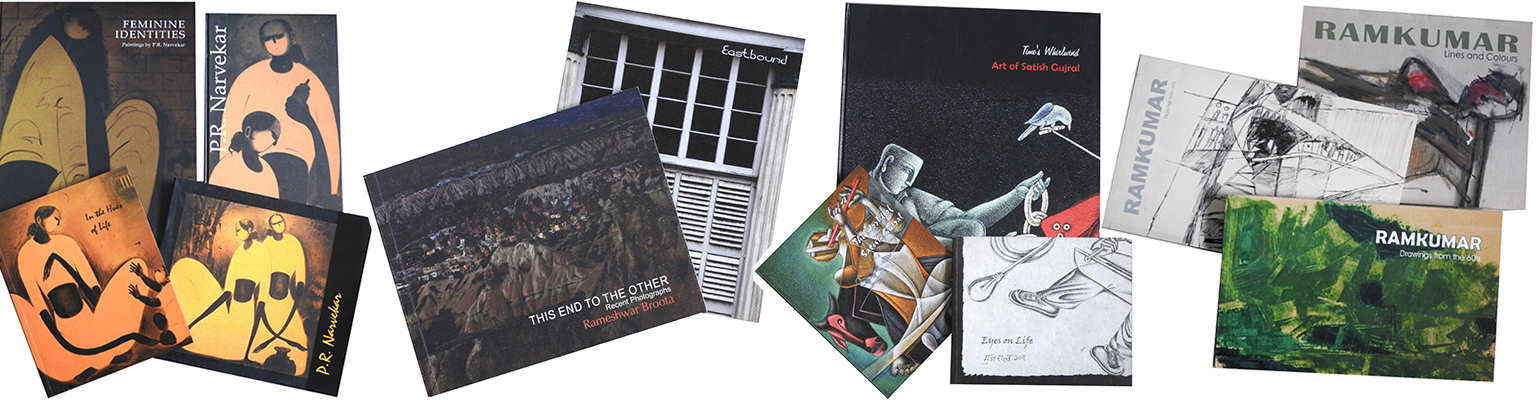
From the outset, Aakriti viewed publishing as more than a promotional exercise. Catalogues were conceived as archival documents—records intended to preserve artworks, curatorial ideas, critical essays, artist biographies, and exhibition histories for future generations.
Over the years, the gallery has published solo exhibition catalogues devoted to many of India’s leading artists, including Satish Gujral, Ramkumar, K.G. Subramanyan, Sakti Burman, Kartick Chandra Pyne, Lalu Prasad Shaw, Rabin Mondal, P.R.Narvekar, Rameshwar Broota, Gurcharan Singh, Akhil Das, Sudip Roy, Bhajju Shyam, Akhilesh, Subrata Biswas and numerous others.
Equally important have been thematic and curatorial projects such as Masterpieces, GenNext, Freedom: From Despair to Dream, Indigenous Modernity, Indian Surrealism, Tangential Traverse, Expression in Bronze, Art Against Terrorism, Four Generations of Contemporary Sculpture, Glimpses of Contemporary Bengal Sculpture, and Bengal Beyond Boundaries, Diversified Fantasy, Image and Symbol Painters’ Perceptions, Remixing Charm: Post- Painterly art of the Local, Women Sculptors in Modern India, Together, these publications provide a valuable record of artistic developments across multiple generations of Indian artists.
Beyond Catalogues: Books and Research Publications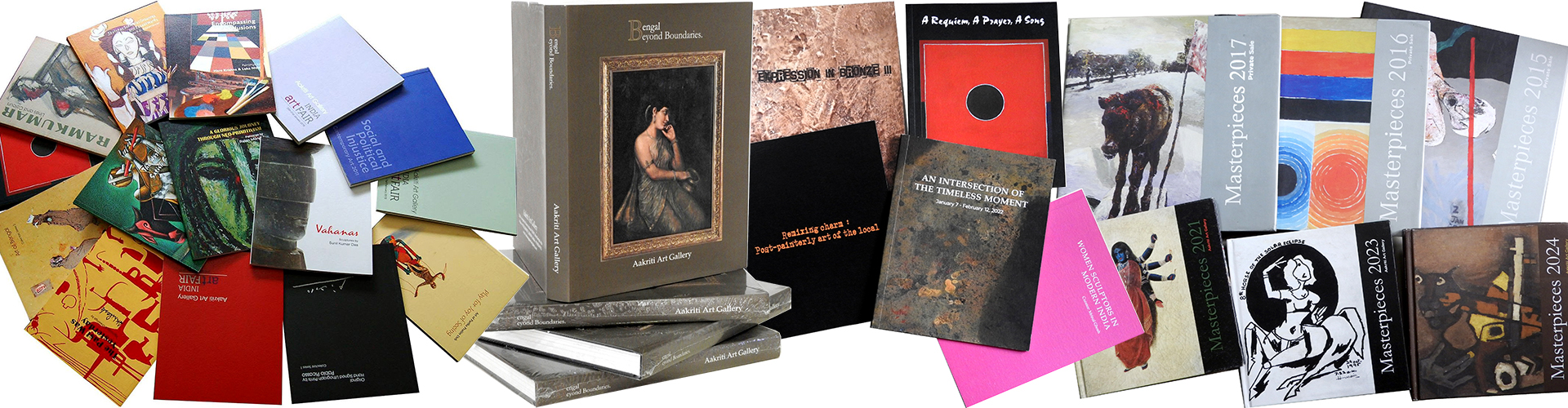
As the publishing programme matured, Aakriti expanded beyond exhibition catalogues into book-length studies, research projects, and archival publications. 
Among the most significant recent publications is Shaping Bengal: A Chronicle of Modern Sculpture by Mrinal Ghosh. This landmark volume traces the development of Bengal’s sculptural tradition across more than one and a half centuries, documenting the contributions of over 150 sculptors. Richly illustrated and supported by extensive archival research, the publication provides one of the most comprehensive studies of modern sculpture in Bengal available today. 
Equally significant is Forgotten Fold: Academic Realism, Lost Voices, and the Art Historiography of Bengal. Centred on the rediscovery of the painter Ananda Mohan Shaha and his remarkable painting Ashru-Kumva, the book examines broader questions of historiography, archival recovery, attribution, and the neglected histories of academic realism in Bengal. Through essays by scholars, researchers, critics, and curators, it demonstrates how even a single rediscovered artwork can reshape our understanding of regional art history.
Both publications reflect a growing commitment to original research and art-historical scholarship, extending the role of the gallery beyond exhibition-making into the realm of documentation and knowledge production.
Monographs and Research Publications 
As the publishing programme matured, the focus extended beyond exhibition catalogues to more substantial scholarly publications.
Artist monographs such as Manu Parekh, Ganesh Haloi, P.R. Narvekar, Amitava Dhar, Sunil De, Niranjan Pradhan, Bimal Kundu, Sunil Kumar Das, Samindranath Mazumdar, Atin Basak, Pradip Maitra, Aditya Basak, Deepak Banerjee etc offered detailed studies of individual careers, while research-oriented books examined larger art-historical narratives. These publications sought to bridge a gap between gallery practice and academic scholarship, making research accessible to collectors, students, and general readers.
The objective was not merely to sell art but to build knowledge around it.
Art Journals and Critical Discourse 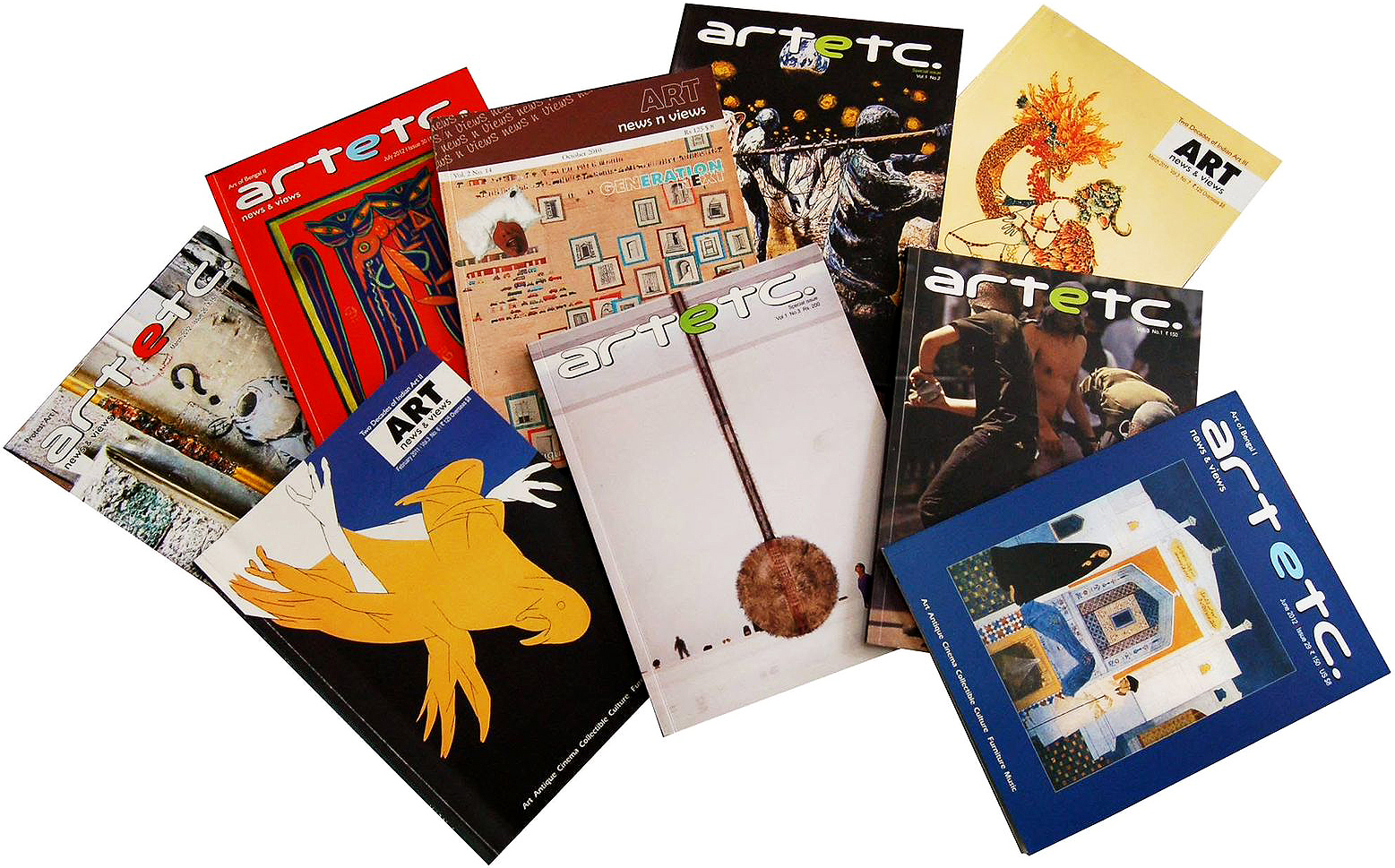
Publishing has also enabled the gallery to contribute to critical discourse through magazines, journals, and editorial initiatives. Publications such as Art News & Views and related periodicals have provided a platform for reviews, interviews, essays, and commentary on contemporary Indian art.
In an environment where serious art criticism often receives limited space, these publications have served as important forums for dialogue between artists, collectors, scholars, curators, and institutions.
Recognition Beyond the Gallery
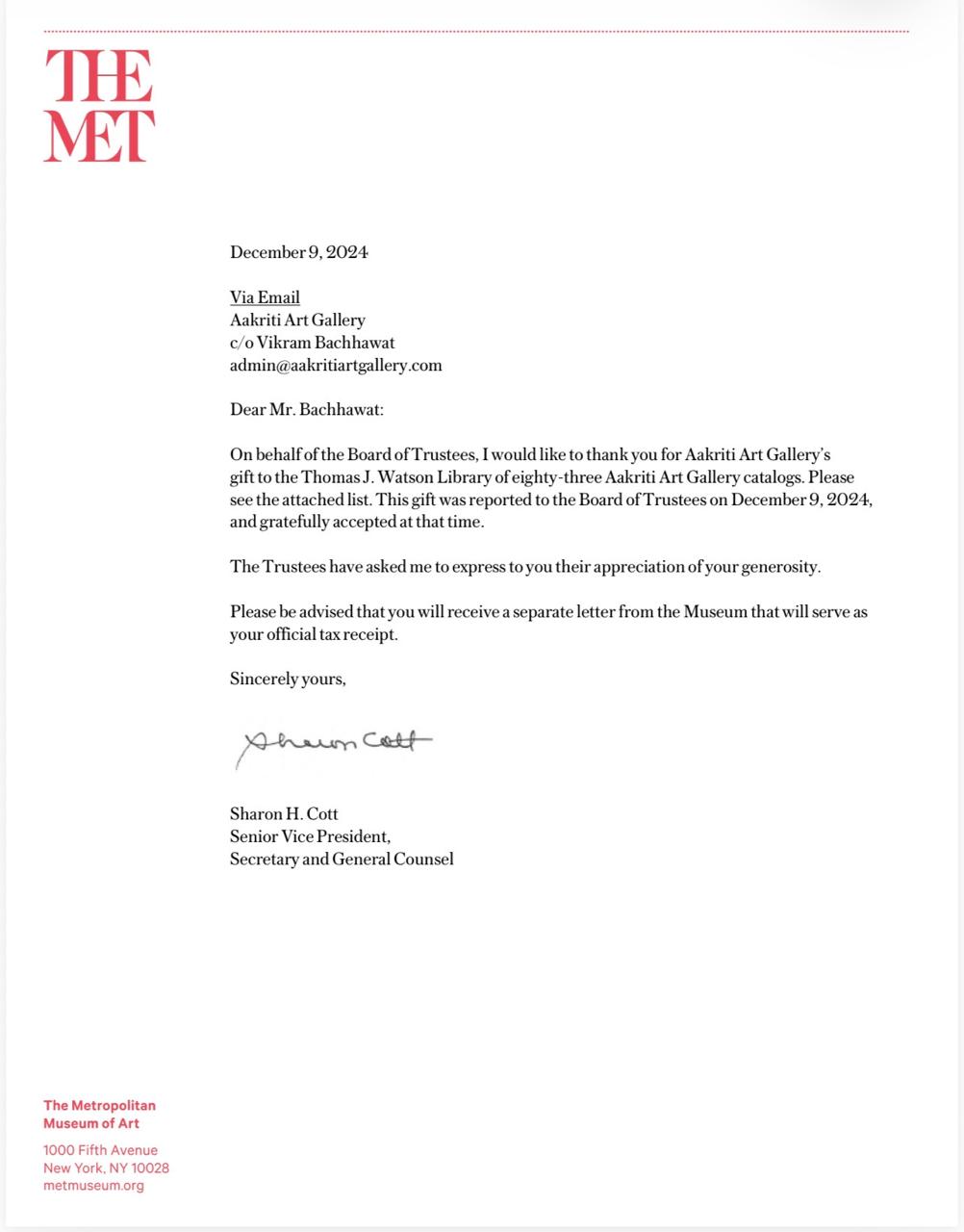 The value of these publications is reflected in their growing presence within institutional collections and research archives.
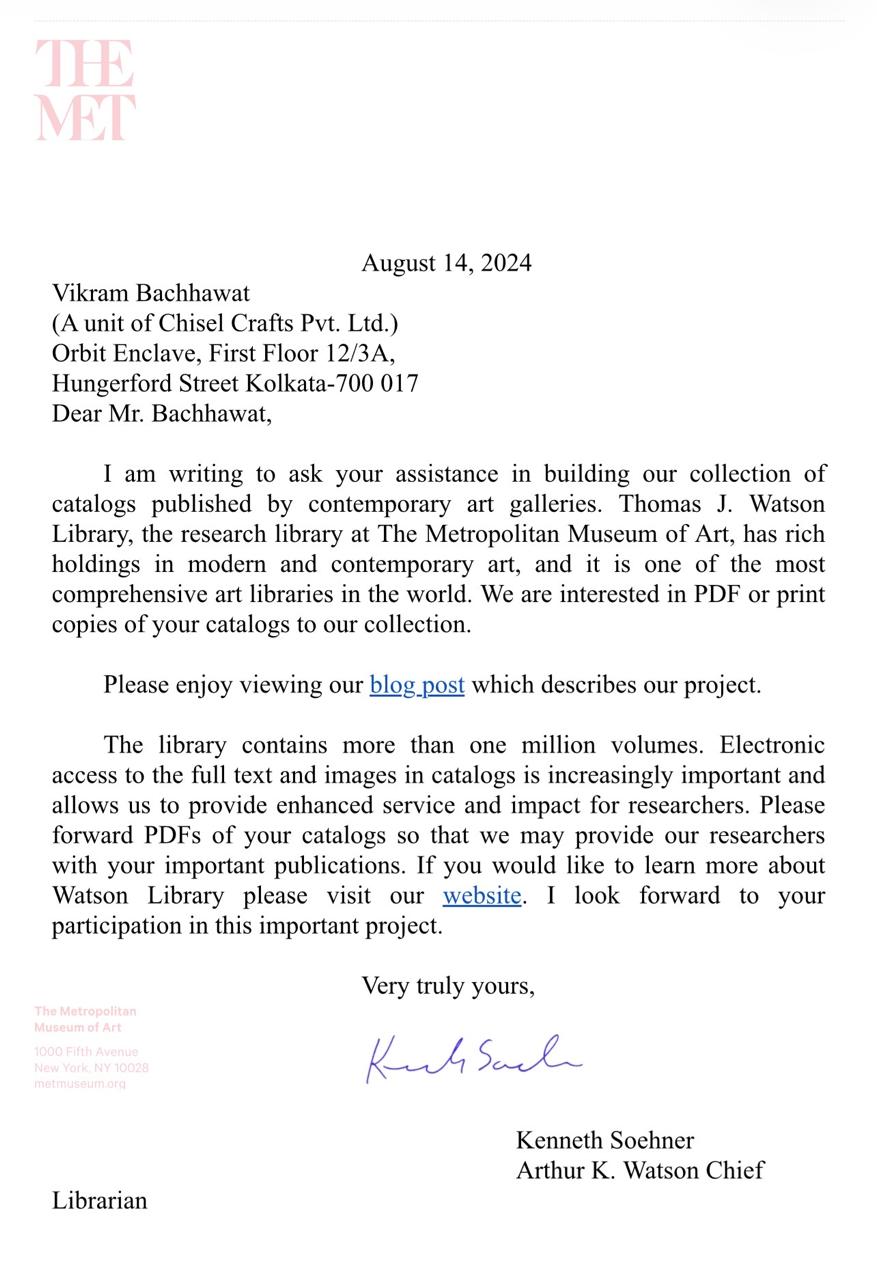
Aakriti Art Gallery publications are held by the Thomas J. Watson Library of The Metropolitan Museum of Art, New York, one of the world’s leading art research libraries. In 2024, the Library formally requested a collection of eighty-three Aakriti Art Gallery catalogues and publications, ensuring their long-term accessibility to researchers, curators, students, and scholars.
The gallery’s publications are also represented in the holdings of the Asia Art Archive, Hong Kong, one of the most important repositories dedicated to the documentation of Asian art. Catalogues relating to exhibitions such as GenNext, Indian Surrealism, Indigenous Modernity, Agony and Ecstasy, Glimpses of Contemporary Bengal Sculpture, and others form part of its research resources.
Additional titles appear in academic and institutional catalogues through library networks and specialised collections in India and abroad, demonstrating the growing research value of independent gallery publications.
Preserving Cultural Memory
The true significance of publishing often becomes apparent only with time.
Many catalogues produced in small editions two decades ago are now difficult to locate. Some document artists who are no longer alive. Others preserve exhibitions that can never be recreated. Together, they form a unique archive of artistic practice, curatorial thinking, collecting patterns, and cultural debates that shaped Indian art during a transformative period.
As Indian art continues to attract global scholarly attention, the importance of documentation will only increase. Galleries, museums, archives, and publishers all play a role in preserving cultural memory.
Exhibitions may be temporary. Publications endure.
In many cases, they become the historical record through which future generations understand the art, artists, and ideas of their time.
Most read articles
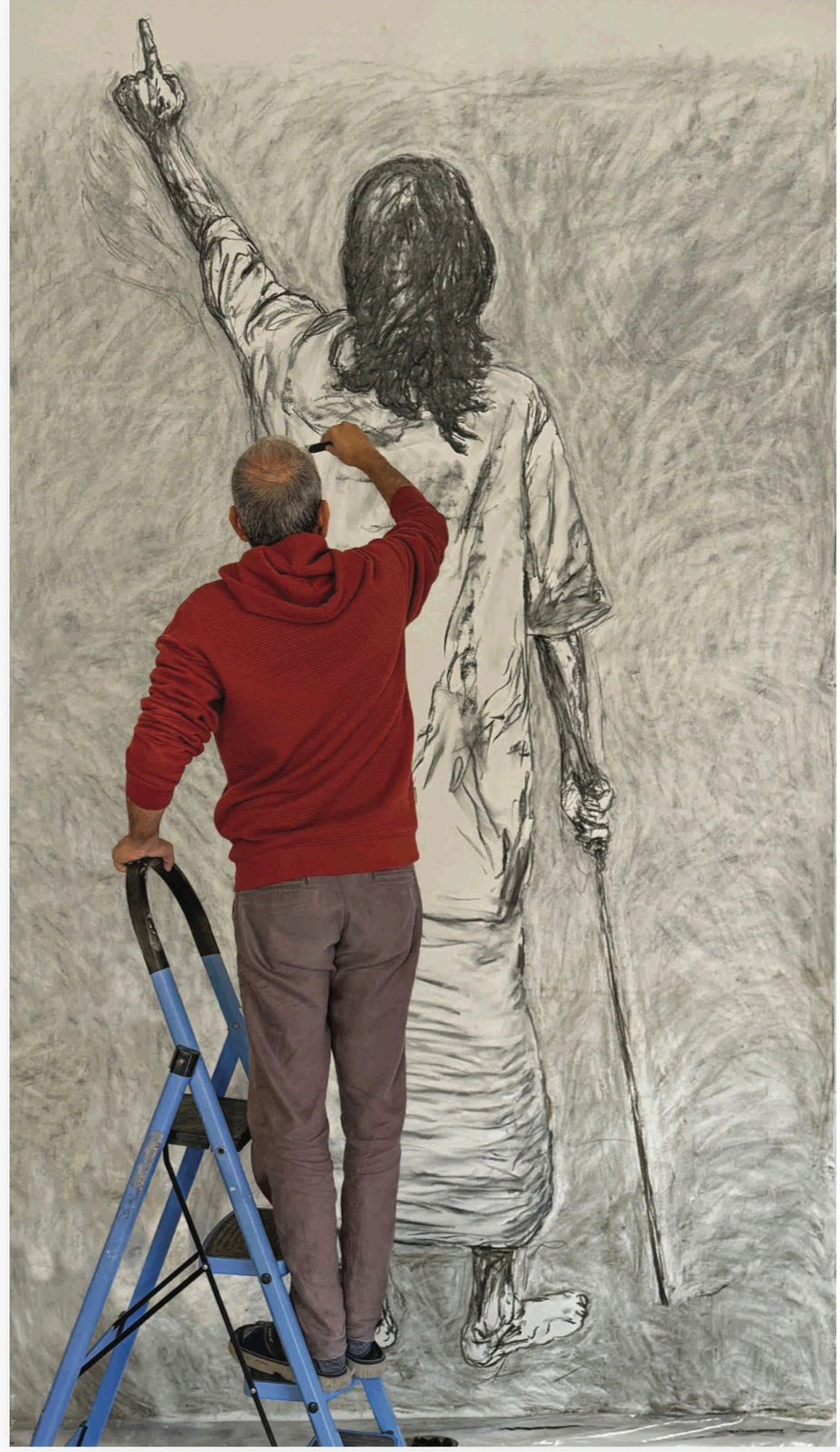
A Star Amongst Too Many: Chandra Bhattacharjee at Birla Academy of Art & Culture
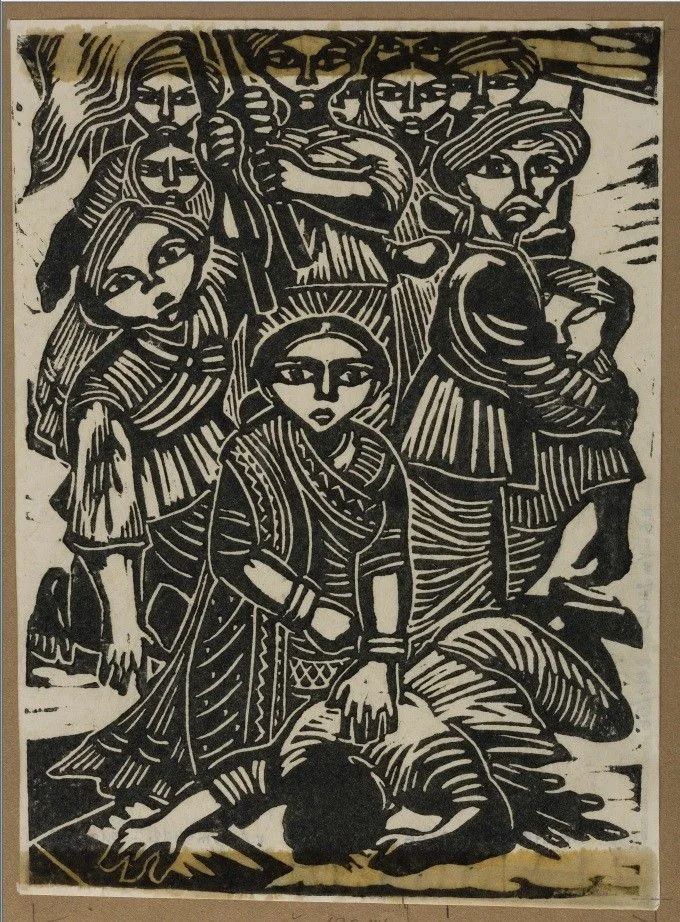
Chittaprosad Bhattacharya: Art as Witness, Image as Resistance
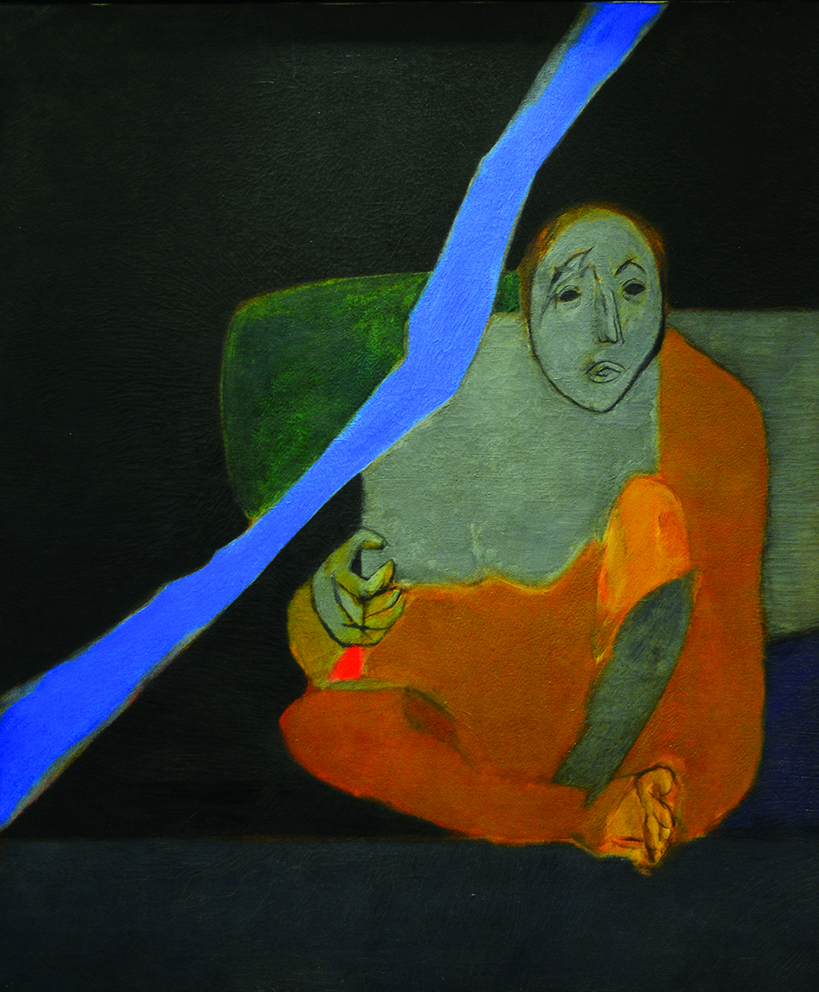
The Resurgence of the Indian Art Market
The Indian Art Market Comes of Age

Ramkinkar Baij’s Bronze Sculptures: A Modernist Legacy in Form and Vitality.
Comments
Join the Discussion
Please login to post comments.
Login